



How do AI voice recorders open the door to communication for the hearing impaired and those with speech impairments?
Release Time : 2025-11-27
The significance of technology lies not only in improving efficiency, but also in bridging gaps and empowering everyone to participate equally in society. For the hearing impaired, children with language delays, aphasic patients, or non-native language learners, communication has always been an insurmountable barrier. Now, AI-powered voice recorders are gently but firmly becoming a bridge connecting them to the world—they don't just record sound, but "translate" silence and convey understanding.
The core value of AI voice recorders lies in their real-time speech-to-text capability. When someone speaks, the device can almost simultaneously convert the speech into clearly visible text, displayed on a mobile phone or dedicated screen. For those with severe hearing impairments, this is equivalent to a portable "human-readable text system," allowing them to instantly access conversations in classrooms, meetings, hospitals, and even family gatherings, preventing them from being marginalized due to information gaps. This "audible" alternative greatly enhances their sense of social participation and self-confidence.
Furthermore, some AI voice recorders also support reverse operation—users can input text and have the device synthesize speech to "speak" on their behalf. For those who cannot speak normally due to illness or congenital reasons, this is tantamount to regaining their right to express themselves. They can pre-edit sentences or type in real-time during conversations, allowing the machine to speak their thoughts in a natural tone. This two-way communication capability transforms silence from isolation into another form of dialogue.
In the fields of education and rehabilitation, AI voice recorders also play a vital role. Speech therapists can use them to record children's pronunciation processes, accurately analyze pronunciation problems by playing back and comparing with the text; students can repeatedly watch subtitled classroom recordings after class to strengthen understanding and memory. For those learning a new language, the device can also mark pronunciation errors and provide intonation suggestions, becoming a personal language coach.
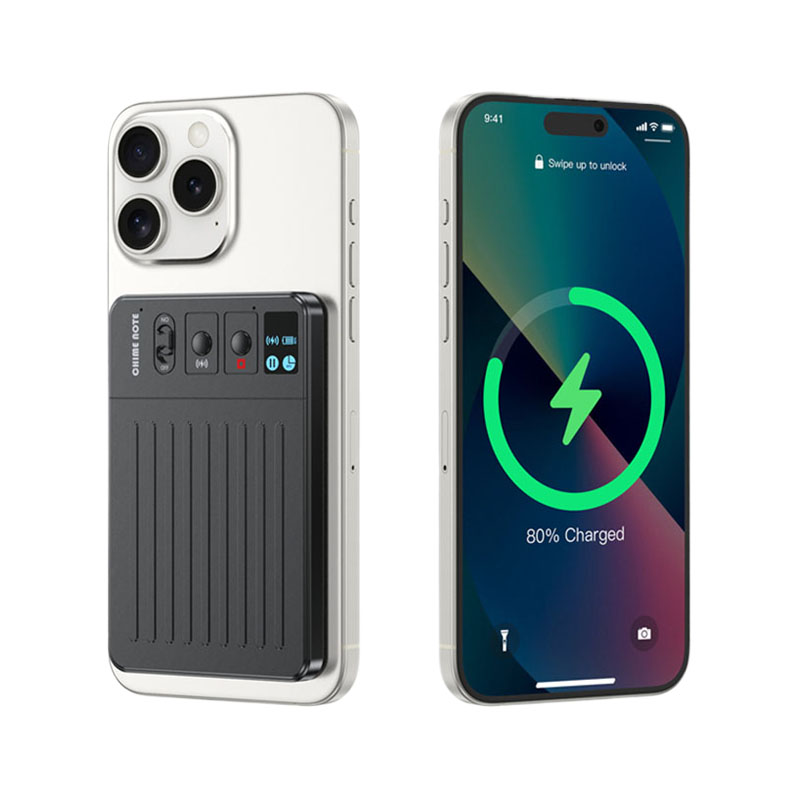
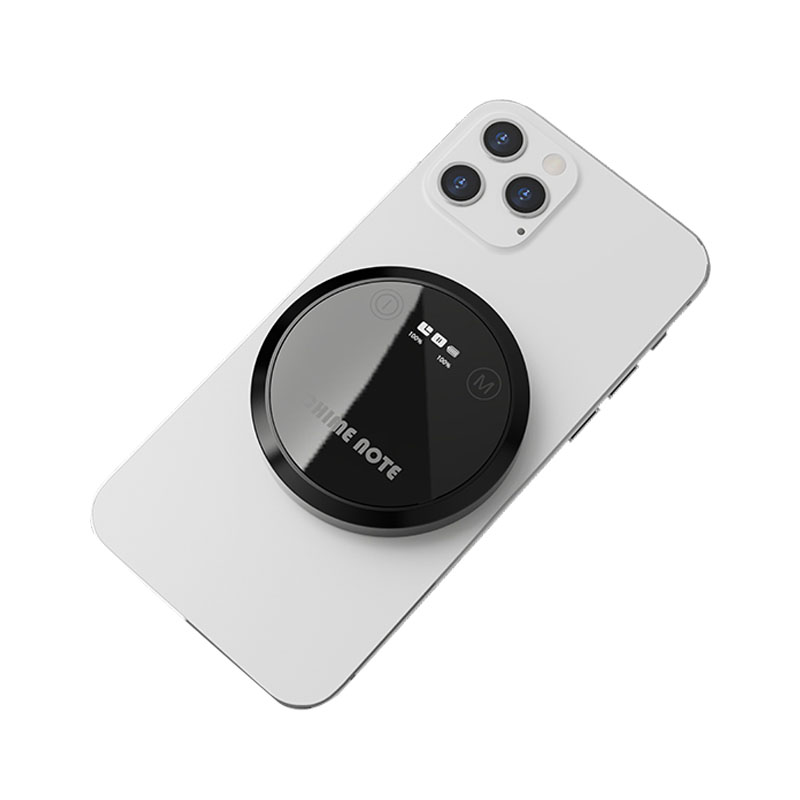
Even more commendable is that these devices often emphasize accessible interactive design. Large font interfaces, high-contrast displays, voice navigation, and one-click shortcuts ensure easy operation for users of different skill levels. Some models even support integration with hearing aids or cochlear implants for seamless audio transmission. Furthermore, the portability and privacy of the AI voice recorder allow users to use it more freely in public. Without relying on others or worrying about disturbing them, all communication assistance is at your fingertips. This sense of "autonomy and control" is itself an important manifestation of dignity and independence.
In short, the AI voice recorder is not just a technological product, but a model of inclusive design. It uses algorithms to eliminate barriers of hearing and expression, and uses text to build ladders of understanding. In this era that advocates diversity and inclusion, a small AI recorder may be able to allow a soul trapped in silence to once again voice its own voice—and this is the most heartwarming power of technology.
The core value of AI voice recorders lies in their real-time speech-to-text capability. When someone speaks, the device can almost simultaneously convert the speech into clearly visible text, displayed on a mobile phone or dedicated screen. For those with severe hearing impairments, this is equivalent to a portable "human-readable text system," allowing them to instantly access conversations in classrooms, meetings, hospitals, and even family gatherings, preventing them from being marginalized due to information gaps. This "audible" alternative greatly enhances their sense of social participation and self-confidence.
Furthermore, some AI voice recorders also support reverse operation—users can input text and have the device synthesize speech to "speak" on their behalf. For those who cannot speak normally due to illness or congenital reasons, this is tantamount to regaining their right to express themselves. They can pre-edit sentences or type in real-time during conversations, allowing the machine to speak their thoughts in a natural tone. This two-way communication capability transforms silence from isolation into another form of dialogue.
In the fields of education and rehabilitation, AI voice recorders also play a vital role. Speech therapists can use them to record children's pronunciation processes, accurately analyze pronunciation problems by playing back and comparing with the text; students can repeatedly watch subtitled classroom recordings after class to strengthen understanding and memory. For those learning a new language, the device can also mark pronunciation errors and provide intonation suggestions, becoming a personal language coach.
Even more commendable is that these devices often emphasize accessible interactive design. Large font interfaces, high-contrast displays, voice navigation, and one-click shortcuts ensure easy operation for users of different skill levels. Some models even support integration with hearing aids or cochlear implants for seamless audio transmission. Furthermore, the portability and privacy of the AI voice recorder allow users to use it more freely in public. Without relying on others or worrying about disturbing them, all communication assistance is at your fingertips. This sense of "autonomy and control" is itself an important manifestation of dignity and independence.
In short, the AI voice recorder is not just a technological product, but a model of inclusive design. It uses algorithms to eliminate barriers of hearing and expression, and uses text to build ladders of understanding. In this era that advocates diversity and inclusion, a small AI recorder may be able to allow a soul trapped in silence to once again voice its own voice—and this is the most heartwarming power of technology.