



What is the privacy guard cover's emergency response mechanism for privacy breaches?
Release Time : 2025-12-04
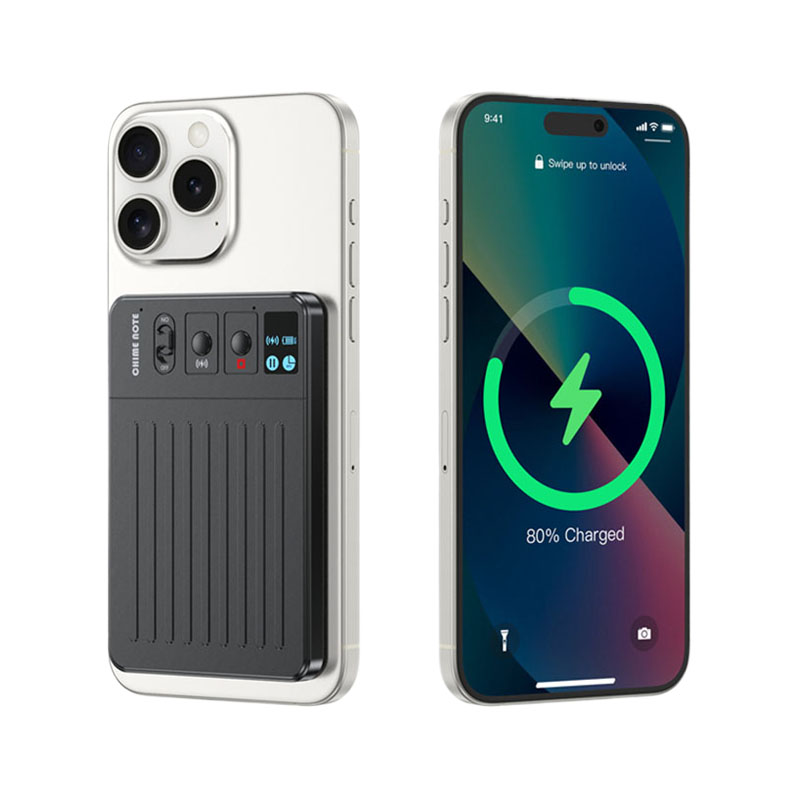
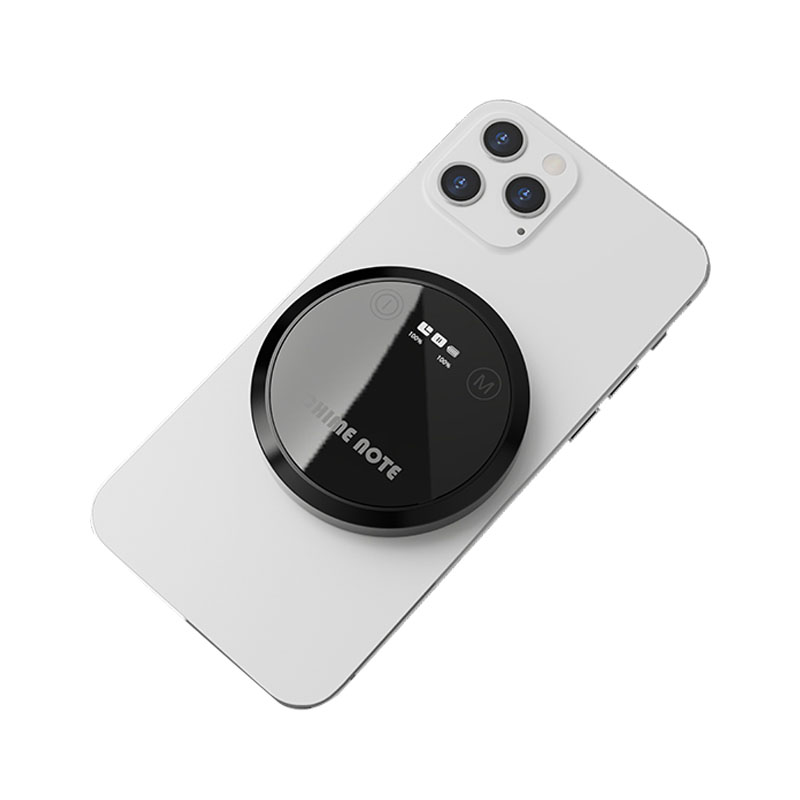
The Privacy Guard Cover recording device's privacy breach emergency response mechanism is a systematic solution to address the risk of privacy breaches in recording scenarios. Its core objective is to minimize the negative impact of privacy breaches on individuals, organizations, and society through technical protection, monitoring and early warning, rapid response, and continuous improvement. Based on the Privacy Guard Cover recording device, this mechanism covers the entire process of breach detection, containment, assessment, handling, and recovery, forming a closed-loop management system.
The Privacy Guard Cover recording device's emergency response mechanism first emphasizes the proactive and real-time nature of technical protection. Its core principle is based on the auditory masking effect. By continuously playing precisely calculated masking sounds (such as white noise, pink noise, or customized noise spectra) covering the human voice frequency range, the signal-to-noise ratio of the voice captured by the recording device drops sharply. Even if someone attempts to record, only blurry, chaotic noise can be heard during playback, rendering the recording useless. For example, high-end recording jammers use ultrasonic modulation technology to emit ultrasonic waves imperceptible to the human ear, forming a composite interference field with the masking sound, further enhancing the protective effect. This technological protection reduces the possibility of privacy leaks at the source, providing a fundamental guarantee for the emergency response mechanism.
When a privacy leak occurs, rapid response and initial containment are the mechanism's primary tasks. The emergency response team for the privacy guard cover recording device must immediately initiate an initial assessment to confirm the scope, data type, and potential impact of the leak. For example, if it is discovered that the privacy guard cover in a meeting room has been maliciously bypassed or that a device malfunction has led to a recording leak, the team must quickly isolate the affected area, restrict personnel access, and suspend the operation of the relevant equipment to prevent the leak from spreading. Simultaneously, through log auditing, traffic monitoring, and other technical means, the source of the leak is located, providing a basis for subsequent handling.
Tiered handling is the core of the mechanism. Based on the sensitivity, scale, and scope of impact of the leaked data, incidents are classified into different levels, and differentiated handling strategies are formulated. For example, leaks involving core trade secrets or national security information require the highest level of response, including cross-departmental collaboration, technical tracing, and legal compliance review; while smaller, localized incidents are handled quickly by a dedicated team. Tiered handling ensures efficient resource allocation and avoids over-response or under-response.
Technical handling and tracing analysis are the technical support for the mechanism. Privacy Guard Cover, a recording device, integrates digital forensics technology to perform full-link backtracking of network devices, servers, and terminals, locating vulnerabilities or attack paths. For example, if a leak is caused by an external hacker attack, the team will analyze key indicators such as abnormal access IPs and malicious scripts to trace the source of the attack and fix system vulnerabilities. If it involves internal personnel's violations, operation logs and permission configurations will be reviewed to identify the responsible party. Simultaneously, machine learning algorithms are used to analyze malicious behavior patterns, improving the ability to identify future threats.
Legal compliance and user support are key compliance and ethical requirements of the mechanism. Privacy Guard Cover strictly adheres to regulations such as the Personal Information Protection Law and the Cybersecurity Law, clearly defining notification deadlines, content, and methods. For example, major incidents must be reported to regulatory agencies within a specified time, and personalized notifications must be sent to affected users explaining the leak, impact assessment, and remedial measures. At the same time, users are provided with consultation channels, credit monitoring, and compensation assistance to reduce their losses and anxiety. For example, after a company's client meeting content was leaked due to a Privacy Guard Cover malfunction, the mechanism quickly notified users and provided free credit monitoring services, effectively alleviating public pressure.
Continuous improvement and closed-loop management are the long-term value of this mechanism. After each incident, the privacy guard cover for the recording equipment organizes a debriefing meeting to summarize lessons learned and optimize emergency plans, technical protection, and training programs. For example, if a leak is found to be caused by weak employee security awareness, relevant training will be strengthened; if the system has technical flaws, encryption or access control policies will be upgraded. Through regular drills and audits, the mechanism is ensured to remain in line with the latest threats and regulations.