



What is the specific acoustic shielding principle of a privacy guard cover for recording equipment?
Release Time : 2025-12-18
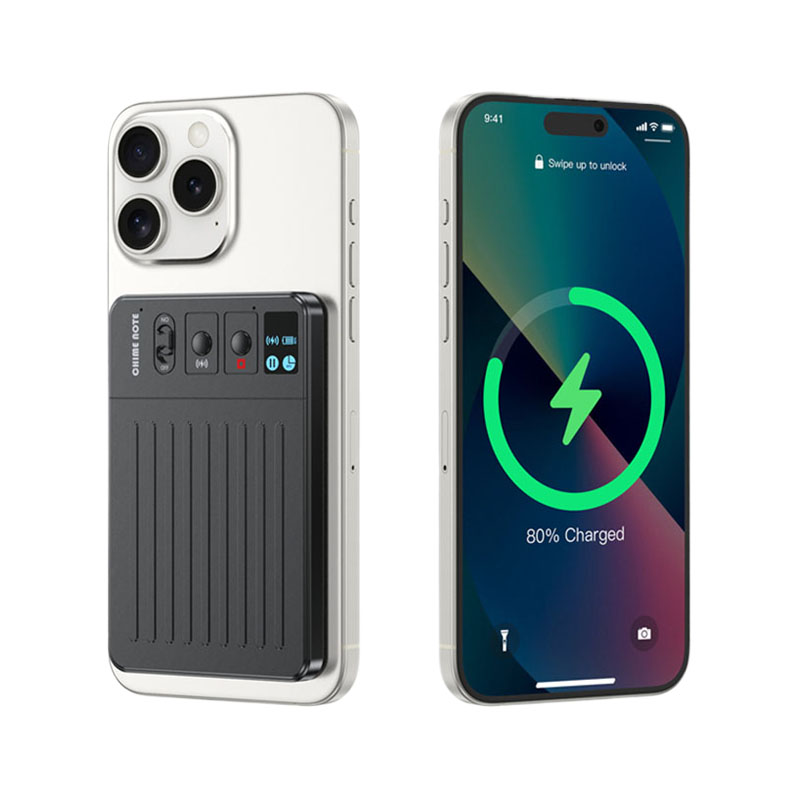
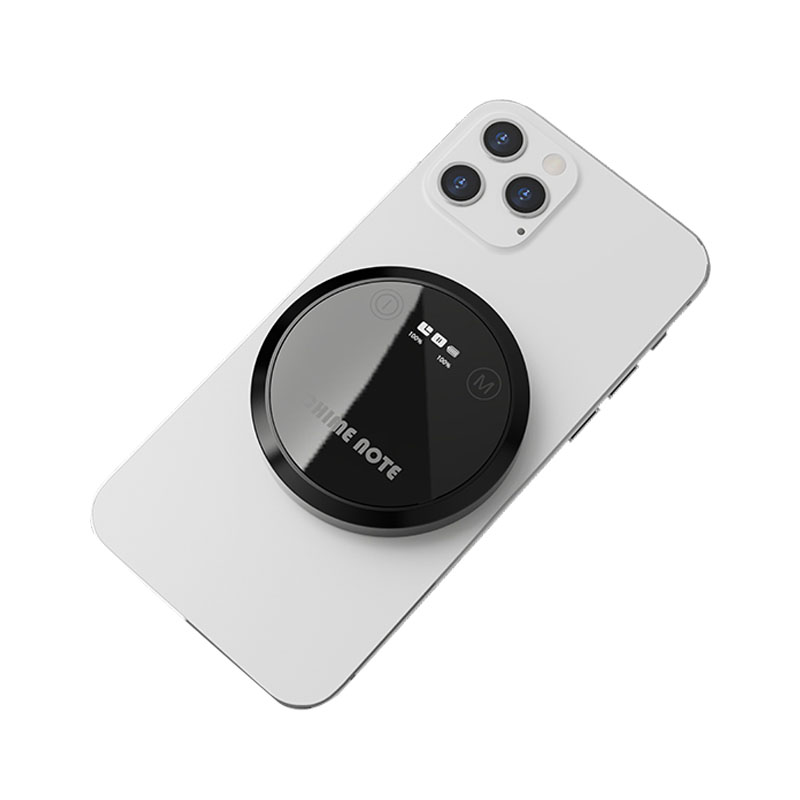
A privacy guard cover, a device specifically designed to prevent unauthorized recording, works by acoustically interfering with the recording equipment to protect the privacy of conversations. Its acoustic shielding principle is primarily based on two technical approaches: white noise interference and ultrasonic modulation. Both achieve privacy protection by disrupting the integrity of the recorded signal.
White noise interference is a classic technique used in privacy guard covers. White noise is a random sound signal containing all audible frequencies, with a uniform spectral distribution covering the 0-20kHz range perceptible to the human ear. When the cover is activated, it releases white noise into the surrounding environment. While this sound is not harsh to the human ear and may even be ignored, it significantly interferes with the microphone of the recording equipment. Because white noise covers the entire audio spectrum, the recording equipment cannot effectively separate the target speech from the mixed signal, resulting in the speech signal being submerged in white noise in the recorded audio, causing a sharp drop in the signal-to-noise ratio. During playback, the recording appears as blurry noise, making the original conversation difficult to discern. This technology is particularly suitable for scenarios requiring continuous protection, such as open-plan offices or public meeting areas. Its advantages lie in its mature technology, low cost, and universal applicability to most recording devices.
Ultrasonic modulation technology represents an advanced direction for privacy guard covers on recording devices. Ultrasonic waves are sound waves with frequencies higher than 20kHz, beyond the range of human hearing, and therefore do not interfere with normal conversation. The protective cover emits ultrasonic waves with random noise. As these sound waves propagate through the air, they interact non-linearly with the target speech signal, generating "difference frequency sound" within the audible range. The frequency and phase of the difference frequency sound are random, forming a directional, localized interference field. When the recording device attempts to record speech, the difference frequency sound mixes with the original speech signal, resulting in unpredictable noise patterns in the recorded audio. Due to the randomness of the difference frequency sound, even with professional audio processing software, it is impossible to reconstruct the original speech content from the recorded signal. This technology is equally effective for high-end recording equipment and, due to its concealment (no visible light or electromagnetic radiation) and silence (inaudible to the human ear), it has become the preferred choice for high-risk scenarios such as confidential meetings and legal consultations.
The design of a privacy guard cover for recording equipment also needs to consider the uniformity and adaptability of acoustic coverage. To ensure no blind spots within the protected area, the equipment typically employs a multi-angle acoustic shielding design, creating a conical or omnidirectional interference field by adjusting the layout or power of the ultrasonic transmitter. For example, some high-end models are equipped with adjustable-power ultrasonic mixers, allowing users to dynamically optimize the interference effect based on the size of the space and the location of the conversation. Furthermore, considering the sensitivity differences of different recording devices, the algorithm of the cover dynamically adjusts the frequency and intensity of the interference signal to ensure effective suppression of various devices such as mobile phones, voice recorders, and eavesdropping devices.
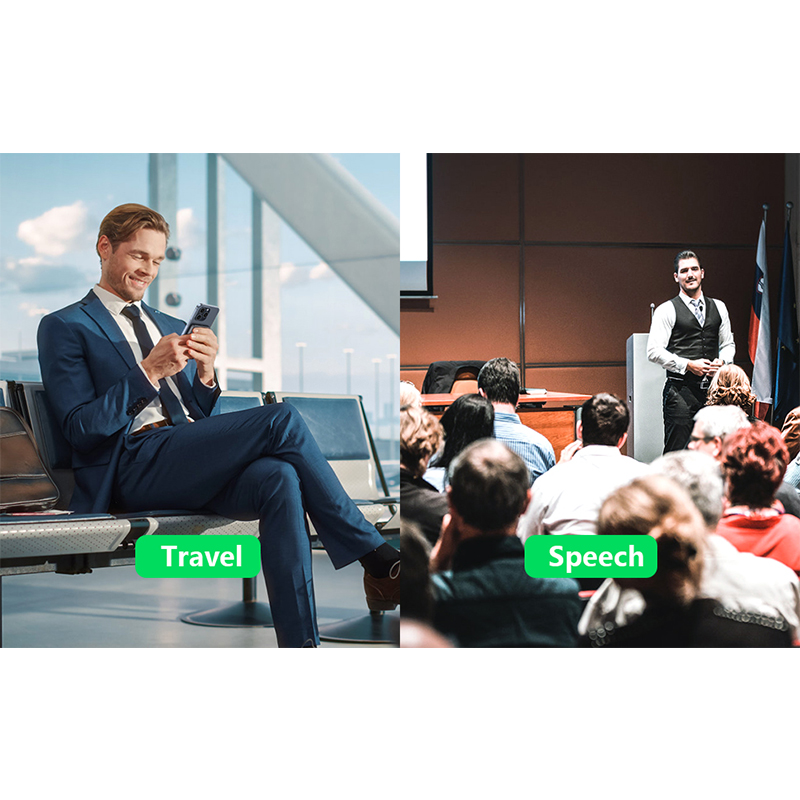
From an application perspective, the acoustic shielding principle of a privacy guard cover for recording equipment needs to be closely integrated with actual needs. In small meeting rooms or private offices, a single device can cover the entire space, forming a secure conversation area; while in large open areas, multiple devices need to work together to build an overlapping interference network. It is worth noting that the effectiveness of acoustic shielding is affected by environmental factors, such as wall material and background noise; therefore, some devices integrate environmental adaptive algorithms to optimize interference parameters in real time.
The acoustic shielding principle of the privacy guard cover for recording devices achieves dual suppression of the recording device through the spectral coverage of white noise and the random modulation of ultrasound. Its core technology lies in using acoustic properties to disrupt the intelligibility of the voice signal, rather than simply blocking the recording process. This "making recording pointless" approach provides a more reliable technical guarantee for privacy protection. With advancements in acoustic materials and signal processing technology, the interference range, noise reduction performance, and device compatibility of future protective covers will be further improved, making them an important tool for privacy protection in the digital age.