




Can a privacy protection shell truly safeguard our voices?
Release Time : 2025-12-24
In today's world of ubiquitous digital technology, recording devices are everywhere. Smartphones, smartwatches, and even wireless earphones possess highly sensitive microphones, making it possible for personal conversations to be unintentionally recorded, disseminated, or even misused. Especially in sensitive settings such as public places, business meetings, or private gatherings, people are increasingly concerned about the invasion of their voice privacy. To address this issue, a new device called a "privacy protection shell" has emerged. It claims to transform a recording device into a regular power bank within seconds, effectively blocking illegal recording and building a protective wall for users' voice privacy.
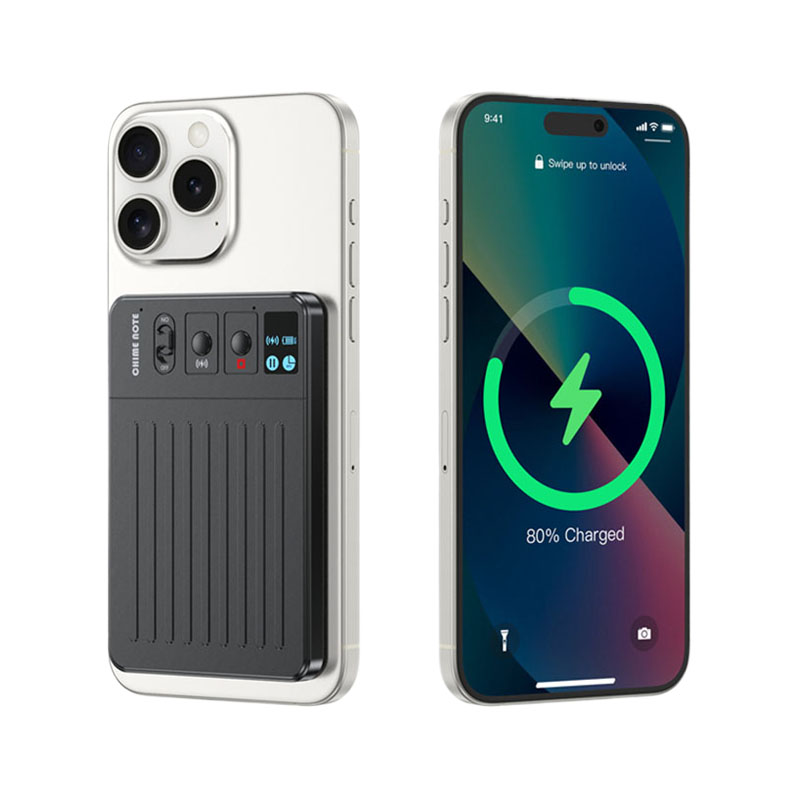
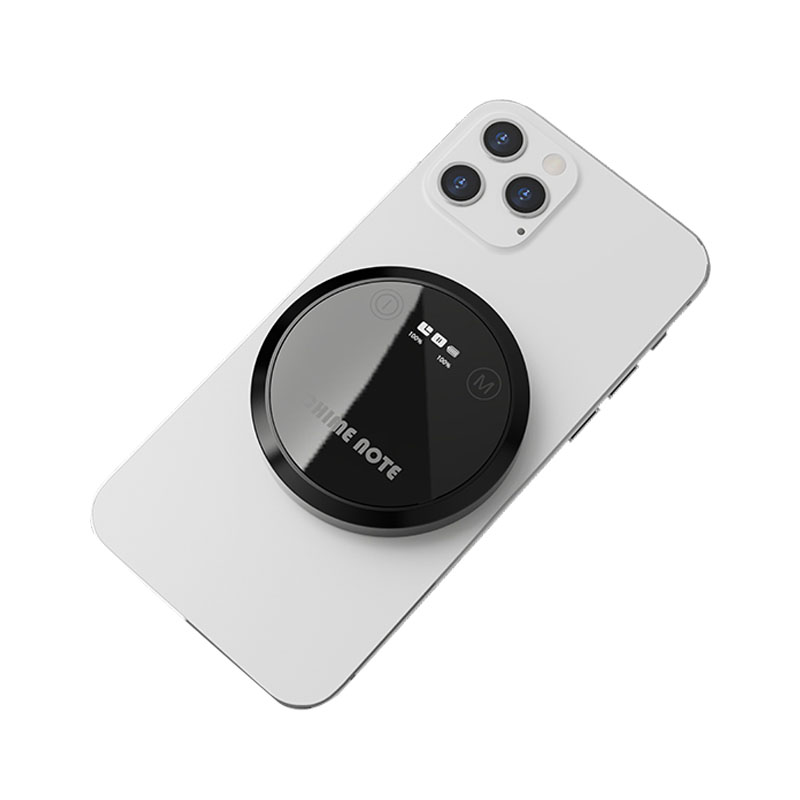
The privacy protection shell closely resembles an ordinary phone case or portable power bank, making it easy to carry and inconspicuous. Its core principle lies in using a dual mechanism of physical shielding and electronic interference to disable the microphone of the built-in recording device. When a user notices a potential recording risk, they simply place the device inside the protective shell and activate the built-in switch. The electromagnetic shielding layer inside the shell is quickly activated, cutting off the signal path between the microphone and the main control chip. Simultaneously, the device's battery management module takes over system resources, retaining only its charging output function and completely disabling recording capabilities. The entire process typically takes less than three seconds, offering simple operation and rapid response.
This design cleverly leverages people's general trust in portable power banks. In public spaces such as cafes, meeting rooms, or subway cars, taking out a "power bank" is far more natural and inconspicuous than using professional anti-eavesdropping devices. The privacy protection shell not only avoids direct confrontation but also reduces the social embarrassment caused by questioning someone's recording. More importantly, it empowers individuals in the information age with proactive control over their own voice data, no longer passively relying on legal provisions or moral constraints to maintain privacy boundaries.
From a technical perspective, the privacy protection shell is not simply a signal jammer. It employs a low-power microcontroller and customized firmware to ensure that the recording function is blocked without affecting other basic device performance. Some high-end models also integrate environmental acoustic sensors that can automatically identify abnormal recording behavior and issue vibration alerts, further enhancing the intelligence of the protection. Furthermore, the product prioritizes environmental protection and durability in its material selection, with the shell often made of flame-retardant ABS or aluminum alloy, balancing safety and aesthetics. Of course, privacy protection shells are not a panacea. They primarily target the user's own device and cannot prevent others from recording with a separate recording device. Therefore, they are more suitable for self-protection scenarios, such as preventing unintentional activation of voice assistants, avoiding automatic uploads of meeting content to the cloud, or proactively disabling the device's eavesdropping capabilities before sensitive conversations. For higher levels of security, legal measures, physical isolation, or professional anti-eavesdropping services are still necessary.
As society's awareness of data privacy continues to rise, personal protective tools like privacy protection shells are gradually moving from concept to everyday life. They represent a new paradigm of privacy protection—not waiting for institutional improvements, but empowering individuals through technology, allowing everyone to take control of their voice in the digital world. In the future, with the further penetration of artificial intelligence and IoT devices, these practical and discreet privacy devices may see wider application scenarios, becoming standard accessories in modern digital life.
Finding a balance between technological convenience and privacy security is a challenge that contemporary society must face. Though small, privacy protection shells reflect people's deep-seated desire for autonomy and dignity. Its existence reminds us that true privacy protection not only requires the support of laws and ethics, but also that every ordinary person has practical and feasible defense tools at their disposal.
The privacy protection shell closely resembles an ordinary phone case or portable power bank, making it easy to carry and inconspicuous. Its core principle lies in using a dual mechanism of physical shielding and electronic interference to disable the microphone of the built-in recording device. When a user notices a potential recording risk, they simply place the device inside the protective shell and activate the built-in switch. The electromagnetic shielding layer inside the shell is quickly activated, cutting off the signal path between the microphone and the main control chip. Simultaneously, the device's battery management module takes over system resources, retaining only its charging output function and completely disabling recording capabilities. The entire process typically takes less than three seconds, offering simple operation and rapid response.
This design cleverly leverages people's general trust in portable power banks. In public spaces such as cafes, meeting rooms, or subway cars, taking out a "power bank" is far more natural and inconspicuous than using professional anti-eavesdropping devices. The privacy protection shell not only avoids direct confrontation but also reduces the social embarrassment caused by questioning someone's recording. More importantly, it empowers individuals in the information age with proactive control over their own voice data, no longer passively relying on legal provisions or moral constraints to maintain privacy boundaries.
From a technical perspective, the privacy protection shell is not simply a signal jammer. It employs a low-power microcontroller and customized firmware to ensure that the recording function is blocked without affecting other basic device performance. Some high-end models also integrate environmental acoustic sensors that can automatically identify abnormal recording behavior and issue vibration alerts, further enhancing the intelligence of the protection. Furthermore, the product prioritizes environmental protection and durability in its material selection, with the shell often made of flame-retardant ABS or aluminum alloy, balancing safety and aesthetics. Of course, privacy protection shells are not a panacea. They primarily target the user's own device and cannot prevent others from recording with a separate recording device. Therefore, they are more suitable for self-protection scenarios, such as preventing unintentional activation of voice assistants, avoiding automatic uploads of meeting content to the cloud, or proactively disabling the device's eavesdropping capabilities before sensitive conversations. For higher levels of security, legal measures, physical isolation, or professional anti-eavesdropping services are still necessary.
As society's awareness of data privacy continues to rise, personal protective tools like privacy protection shells are gradually moving from concept to everyday life. They represent a new paradigm of privacy protection—not waiting for institutional improvements, but empowering individuals through technology, allowing everyone to take control of their voice in the digital world. In the future, with the further penetration of artificial intelligence and IoT devices, these practical and discreet privacy devices may see wider application scenarios, becoming standard accessories in modern digital life.
Finding a balance between technological convenience and privacy security is a challenge that contemporary society must face. Though small, privacy protection shells reflect people's deep-seated desire for autonomy and dignity. Its existence reminds us that true privacy protection not only requires the support of laws and ethics, but also that every ordinary person has practical and feasible defense tools at their disposal.