




How can the privacy protection shell maintain its shielding effect and prevent aging and failure under long-term use?
Release Time : 2026-01-29
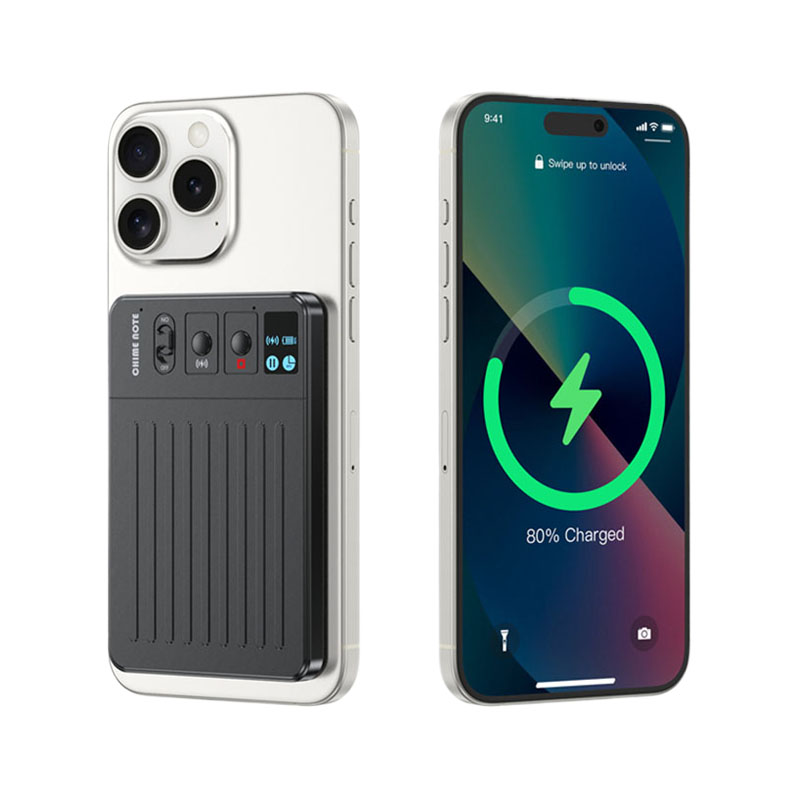
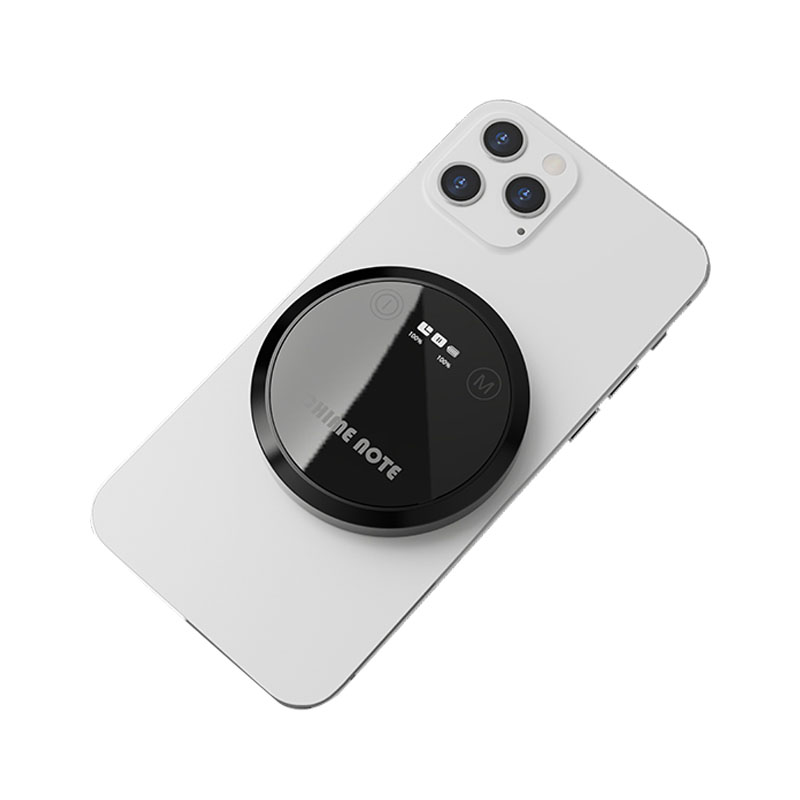
For long-term use, maintaining the privacy protection shell's shielding effect and preventing aging and failure requires a systematic solution encompassing material selection, structural design, environmental adaptability, usage guidelines, and maintenance mechanisms. The core logic lies in synergistic optimization of materials science, engineering mechanics, and user behavior to balance protective performance and durability, ensuring the privacy protection function remains effective throughout the device's entire lifecycle.
Material selection is fundamental. Privacy protection shells are exposed to various environments for extended periods, requiring materials with properties such as UV resistance, chemical corrosion resistance, and mechanical abrasion resistance. For example, engineering plastics like polycarbonate (PC) or modified polypropylene (PP), due to their stable molecular structure, effectively resist UV degradation, preventing yellowing and brittleness under prolonged sunlight exposure. Materials reinforced with glass fiber enhance impact resistance, preventing cracking from drops or collisions. Furthermore, surface coating technology is crucial. For instance, hard anodized aluminum alloy protective covers form a dense oxide film on the surface, resisting corrosion from sweat, grease, and other corrosive substances, while reducing the impact of fingerprint residue on shielding effectiveness.
Structural design must balance functionality and durability. The privacy protection shell's effectiveness relies on a precise fit with the microphone of the recording device. Over long-term use, frequent opening and closing or external pressure can cause deformation, affecting the seal. Therefore, the design combines a high-rigidity frame with a flexible buffer layer: the frame is made of metal or high-strength engineering plastics to ensure structural stability; the edges in contact with the device use soft materials such as silicone or thermoplastic elastomers (TPE), which absorb external forces through elastic deformation, preventing deformation caused by direct impact from hard materials. Simultaneously, the snap-on or magnetic fixing structure undergoes thousands of opening and closing tests to ensure sufficient clamping force after long-term use, preventing loosening and subsequent shielding failure.
Environmental adaptability is a key challenge. Different usage scenarios exhibit significant differences in temperature, humidity, and dust concentration, all of which can accelerate material aging. For example, high temperatures accelerate plastic oxidation, leading to embrittlement; high humidity can cause metal parts to rust or coatings to peel off. Privacy protection shells require a sealed design to create "micro-environment protection": rubber seals at key interfaces prevent moisture and dust from entering; the interior is filled with hygroscopic materials (such as silica gel desiccant) to continuously absorb residual moisture. For extreme environments, some high-end products employ an airtight structure, using ultrasonic welding or laser sealing technology to completely isolate the external medium, fundamentally eliminating aging factors.
User habits directly affect the lifespan of the protective cover. Frequent forceful opening and closing, storage without complete closure, or prolonged exposure to direct sunlight all accelerate material fatigue. Therefore, the design must incorporate a "guided interaction" concept: optimizing the latching force (e.g., using a segmented resistance design, easy to open initially, requiring greater force to ensure complete closure) guides users to operate correctly; adding anti-slip textures or indicators to the surface of the protective cover reduces the risk of accidental drops due to slippage; and including a dedicated storage bag reduces direct friction between the cover and hard objects such as keys and coins. These details significantly extend the effective lifespan of the protective cover.
Maintenance mechanisms are essential for long-term performance. Even with superior materials and design, dust and coating wear can still accumulate over time. Privacy protection shells need to be designed with a removable structure, allowing users to regularly clean the internal microphone area to prevent dust from obstructing recording quality. They should also offer modular replacement services, such as replacing only worn-out clips or seals instead of the entire protective cover, reducing maintenance costs. Some products also integrate self-monitoring functions, reminding users to check the protective cover's status via LED indicators or an app, enabling proactive maintenance.
Technological iteration and material innovation continue to drive upgrades in protection. With the development of nanotechnology, self-healing coatings have been applied to high-end privacy protection shells: when tiny scratches appear on the surface, microcapsules in the coating release repair agents to automatically fill the damage and maintain optical transparency; the introduction of new materials such as graphene can improve heat dissipation performance and prevent material deformation caused by high temperatures. Furthermore, the development of bio-based biodegradable materials provides a new direction for environmental protection needs; these materials can reduce the environmental burden after long-term use while maintaining performance.
From an application perspective, the durability design of privacy protection shells has penetrated multiple fields. In corporate conference rooms, privacy protection shells need to withstand dozens of openings and closings daily; in medical settings, they require frequent disinfection without leaving any chemical residues; and during outdoor interviews, they must resist wind and rain. To address these diverse needs, manufacturers customize material formulations (such as medical-grade silicone) or structural strength (such as thickened metal frames) to ensure optimal performance balance in specific scenarios. In the future, with the development of IoT technology, privacy protection shells may integrate sensors to monitor occlusion status in real time and upload data, providing users with smarter privacy management solutions.